

Many clients who receive services at Inner Justice Works participate only in regularly scheduled therapy sessions; however, for so many of us, mental health can’t get better unless we have multiple types of support. The supports on this page are free and available to clients who benefit from them, depending on our clinic’s capacity at a given time.
When we started offering these services, many of our clients who had not received care outside a traditional clinical therapy practice setting were surprised and unfamiliar with our offerings, which more closely mirror what’s available within the Community Mental Health system than a typical private clinic. This page explains more about our non-traditional engagement and support services, the social work models they are based upon, and a bit about how they work.
Current Inner Justice Works clients are always able to inquire with your assigned therapist, if you have an interest in any of these below-named supports. It’s also possible your therapist may suggest one or more of these to you, if it seems that you would benefit. These services are always optional, though, and are added into your formal treatment plan, to support your clinical care during your time with us.
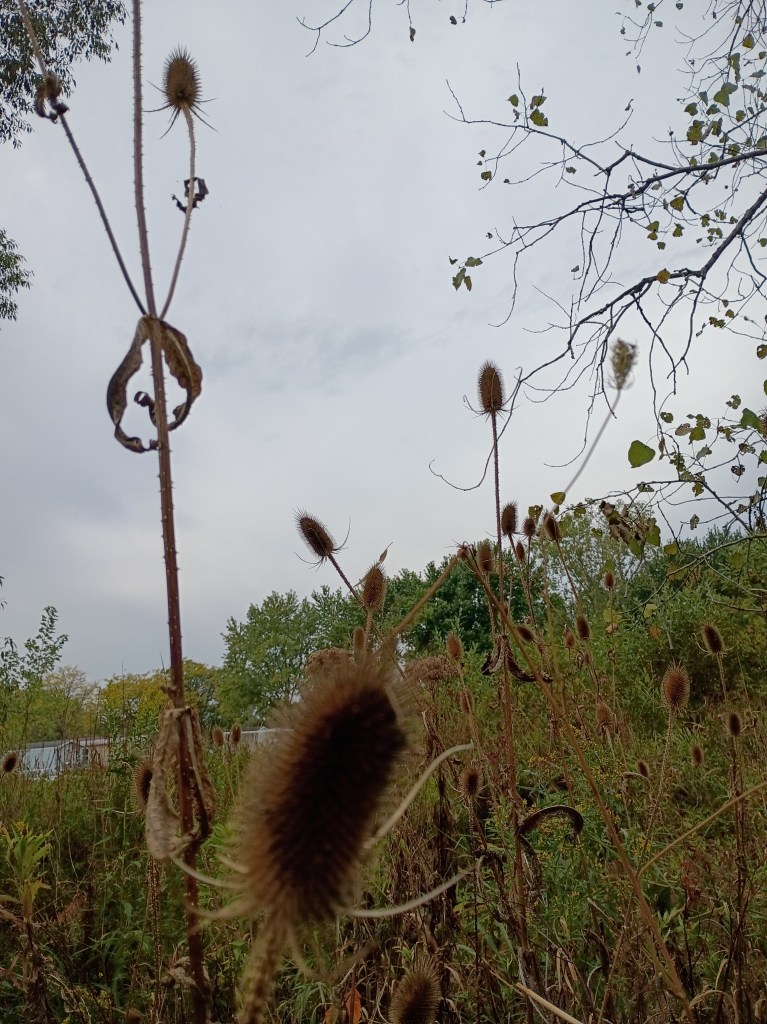
Case Management + Advocacy
At Inner Justice Works, clients who need support with logistical challenges in life that impact your mental health are eligible to request case management. Stressors like housing instability, food insecurity, ongoing abuse or exploitation, barriers to accessing primary or needed medical care, and more are all common reasons people ask for case management. Some trans clients like the extra support a case manager offers, in conjunction with therapy, to help navigate various aspects of medical, legal, and social gender transition. Case management can be provided for brief, one-time support needs, such as addressing an unexpected change to your health insurance or SNAP / food stamps benefits, or managing unforeseen circumstances at work or school such as an incident of being discriminated against, or a change in your health status that requires clinical advocacy, like asking for unexpected time off. Case management can also be offered (resources permitting) ongoingly, for folks who struggle with multiple types of concerns, and/or who have very limited access to support outside of therapy. Case management can be offered virtually, in-office, or in the community, depending on client need and situational context.
Linkage-to-Community Supports

As a therapy clinic informed by social justice principles, we understand how foundational community is to the well-being of everyone. We also know that so many of our clients experience profound isolation on a daily basis. The “loneliness epidemic” is an ever-growing global problem, but for folks who experience higher degrees of marginalization and oppression, the challenge to find safe, authentic connection with those who we can feel safe enough with to be ourselves, can seem impossible. Because isolation is so great for many of the clients we serve, Inner Justice Works offers a short-term ancillary supportive service which we call Linkage-to-Community Supports.
The goal of Linkage-to-Community Supports is to help clients shift long-term patterns of isolation by therapeutically accompanying you to community events and spaces over short-term time periods, where you’ll be supported to practice community participation and ultimately work towards building non-clinical relationships that outlast their time in therapy. Think of it as exposure therapy with an attachment focus.
We offer these supports by pairing clients who would benefit and have an interest to participate with our clinicians for time-limited community-based services. In most cases, these supports are provided for six months or less, with the goal being for you to build confidence until our support is no longer needed.
During your time receiving Linkage-to-Community Services, you’ll meet your assigned Inner Justice Works clinician in a variety of home- and/or community-based settings, some of which may include…
- Parks, libraries, museums, and other public spaces
- Time-limited community volunteer opportunities (urban farms, nonprofit organizations, community centers, etcetera)
- Identity or Community-Specific events and programs (E.G. community-led events for trans people, gatherings for survivors of incarceration, racial or ethnic community group spaces and events, etcetera)
- Your own ideas! What community spaces would you like to access in order to break the isolation? Let your clinician know, and we’ll assess whether it’s clinically appropriate for us to consider trying together.

*Note: During Linkage-to-Community outings, as with all community-based care provision, our clinicians will take reasonable steps to protect your privacy, including not disclosing the status of our clinical relationship (it’s always your choice if you want to share who you’re with during the course of our time together).
Linkage-to-Community supports are offered to our clients who need them the most, and are provided in conjunction with case management as part of an integrated team-based treatment plan. Availability is limited by our fluctuating capacity, so there may be a wait time for clients who wish to receive this level of care. Our approach is based on Community Mental Health’s Peer Support Specialist model, and informed by common approaches such as Assertive Community Treatment, public health community-based and street outreach models, clinical exposure interventions for PTSD and anxiety treatment, and The Weikart Center’s approach to community-based empowerment programming.
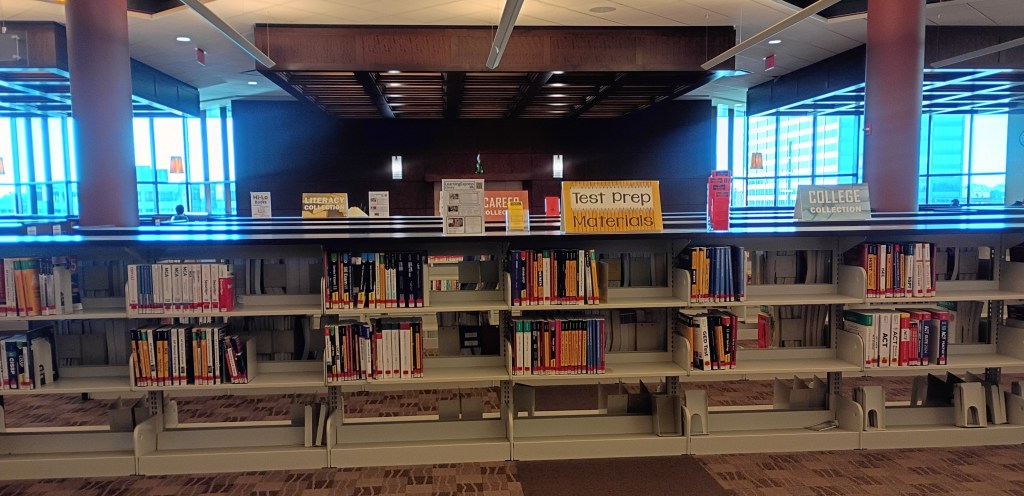
Asynchronous Client Support
Asynchronous Client Support describes care we offer to clients outside of scheduled session times. This support is typically provided via the Signal App, which clients can use to message and/or call their therapist outside of scheduled session times, for urgent clinical and/or case management support needs.
Our clients who experience frequent crisis and/or who currently have integrated team-based treatment plans at Inner Justice Works may be eligible to receive asynchronous support. If your assigned clinician offers this service, you’ll work directly with that person. If your therapist isn’t someone who offers asynchronous support, you can ask to be matched with another IJW clinician who does, and who will work to loop your therapist in, if and when you make use of that out-of-session care.
Asynchronous support is brief, targeted, and goal-oriented. The goal is not to provide “text-based” therapy or any involved interventions outside of scheduled time, but simply to provide our clients who need it most with a secure means of reaching out to us during moments of crisis, until they no longer need to do so. While we don’t have a list of set “rules” about what you can contact us for, we work therapeutically to help clients identity which out-of-session stressors and issues they can manage independently, and which they may need to reach out to us for support with. We use this as a way to practice healthy attunement, boundary-setting, and relationship skills therapeutically with those we serve, while making ourselves more accessible to the clients who rely on us most.
Asynchronous support may be offered through either text or voice calls between clinician and client. We often offer this care to clients who may be navigating more complex support needs, who would benefit from skills coaching (similar to in DBT) about therapy skills to implement during moments of crisis, or who may have urgent questions related to case management and advocacy matters.
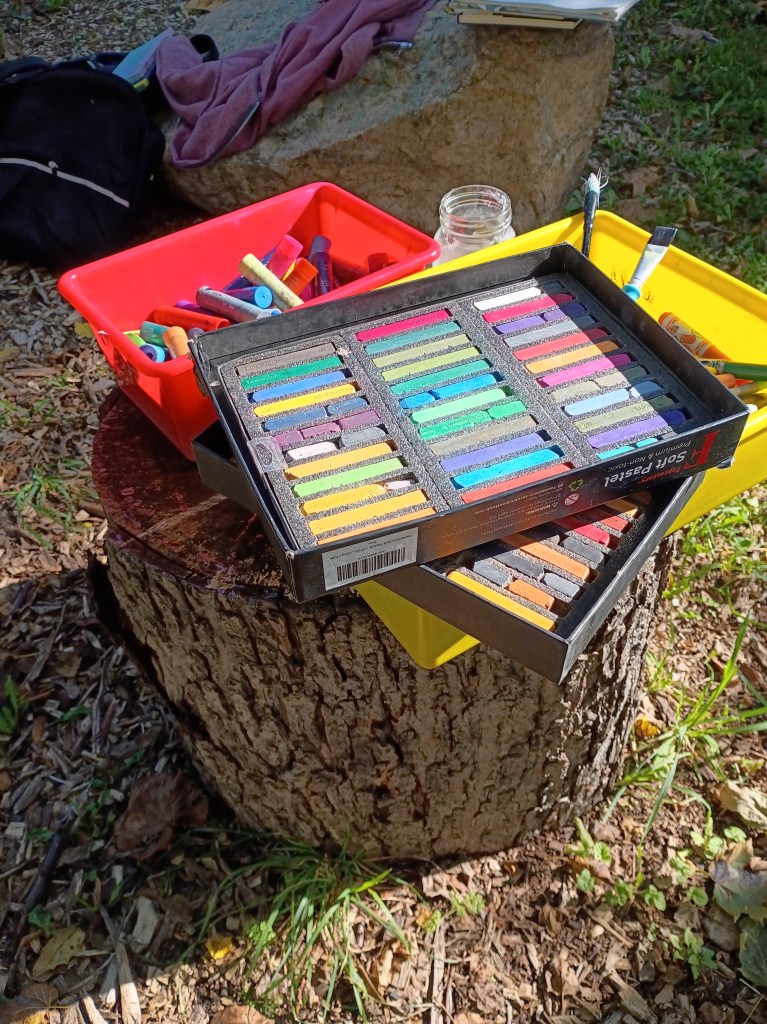
(Partial/Hybrid) Home- and Community-Based Services
These services are most often provided to clients who have the most severe mental health distress, who are frequently in crisis, or who receive both therapy and case management. We have also offer home- and community-based services to
- clients who benefit from in-person care but who have transportation limitations or Disabilities that make traveling to us an undue burden
- clients who are students needing accompaniment to IEP meetings, gender support planning meetings, disciplinary hearings, or other academic meetings
- clients with past or current legal involvement
- other clients who may struggle to stay engaged in therapy, or who need help getting a team of providers to collaborate together effectively
Although our approach is unique, it is informed by, and draws from, such models as Assertive Community Treatment, Wraparound Treatment, Home Based Treatment, Infant Mental Health, and Multisystemic Family Therapy. While we aren’t providing any one of the above models at Inner Justice Works, these services are informed by the above approaches.
Nontraditional service delivery such as community- and home-based services, are often critical elements of engagement approach for clients who struggle to stay engaged in care due to structural barriers to accessing support.
While we aren’t normally able to offer these services indefinitely, and normally cannot offer services that are always provided at home or in the community (we’ll normally need to, at least sometimes, meet remotely and/or at our office), we find that having this option available for those who benefit from connecting in person but struggle to get to our space, can be deeply meaningful and helps to accelerate progress in treatment, when indicated. You can always mention to your therapist if you have an interest in this level of support. Clinic capacity limits our ability to offer this care; however, we do our best to provide it as needed to those with interest.

Therapy + Support Groups
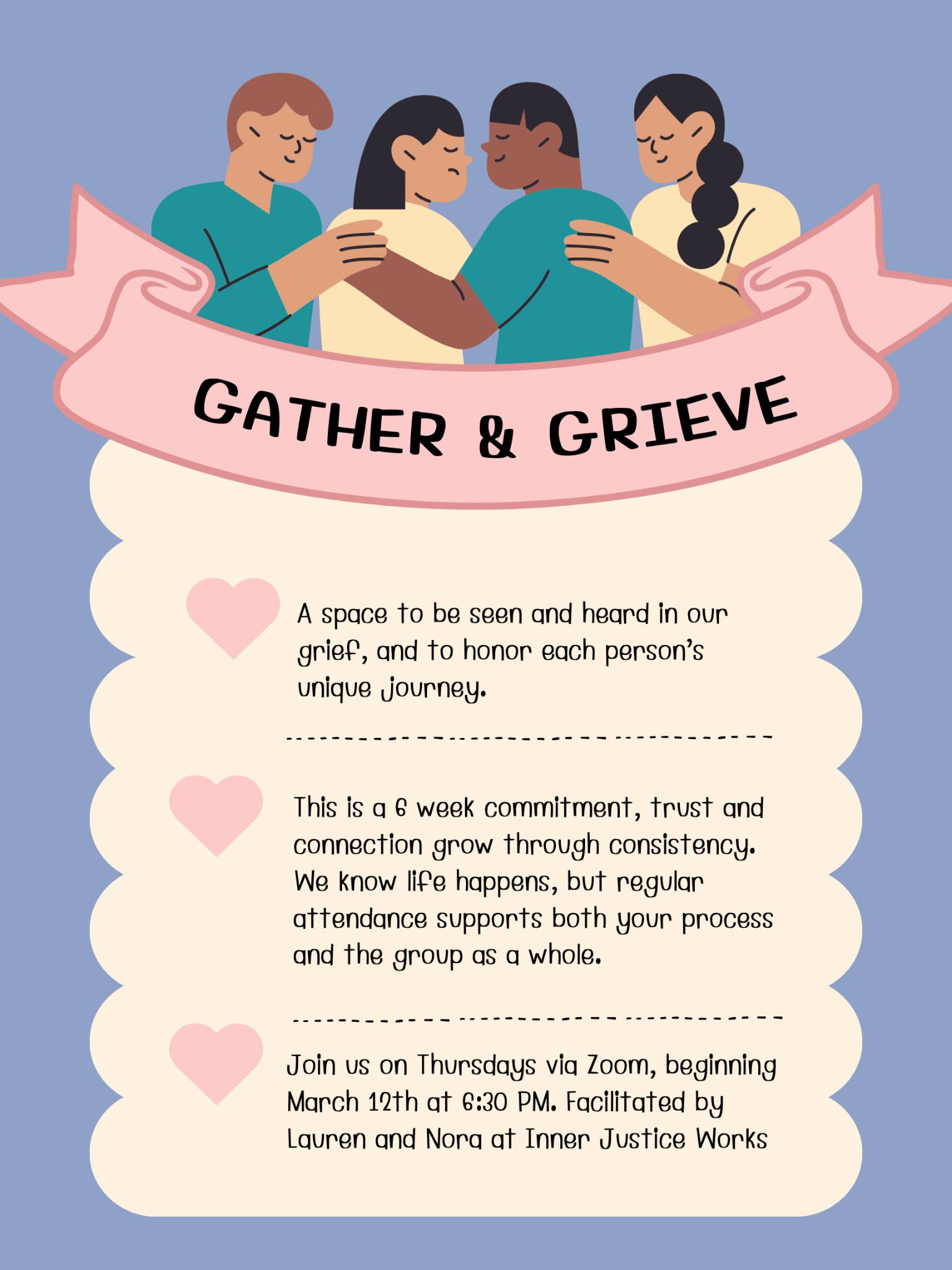
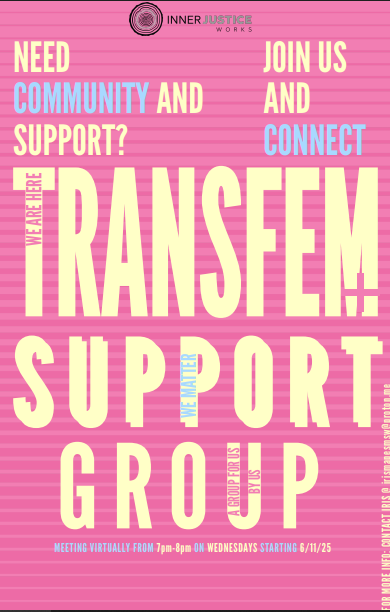
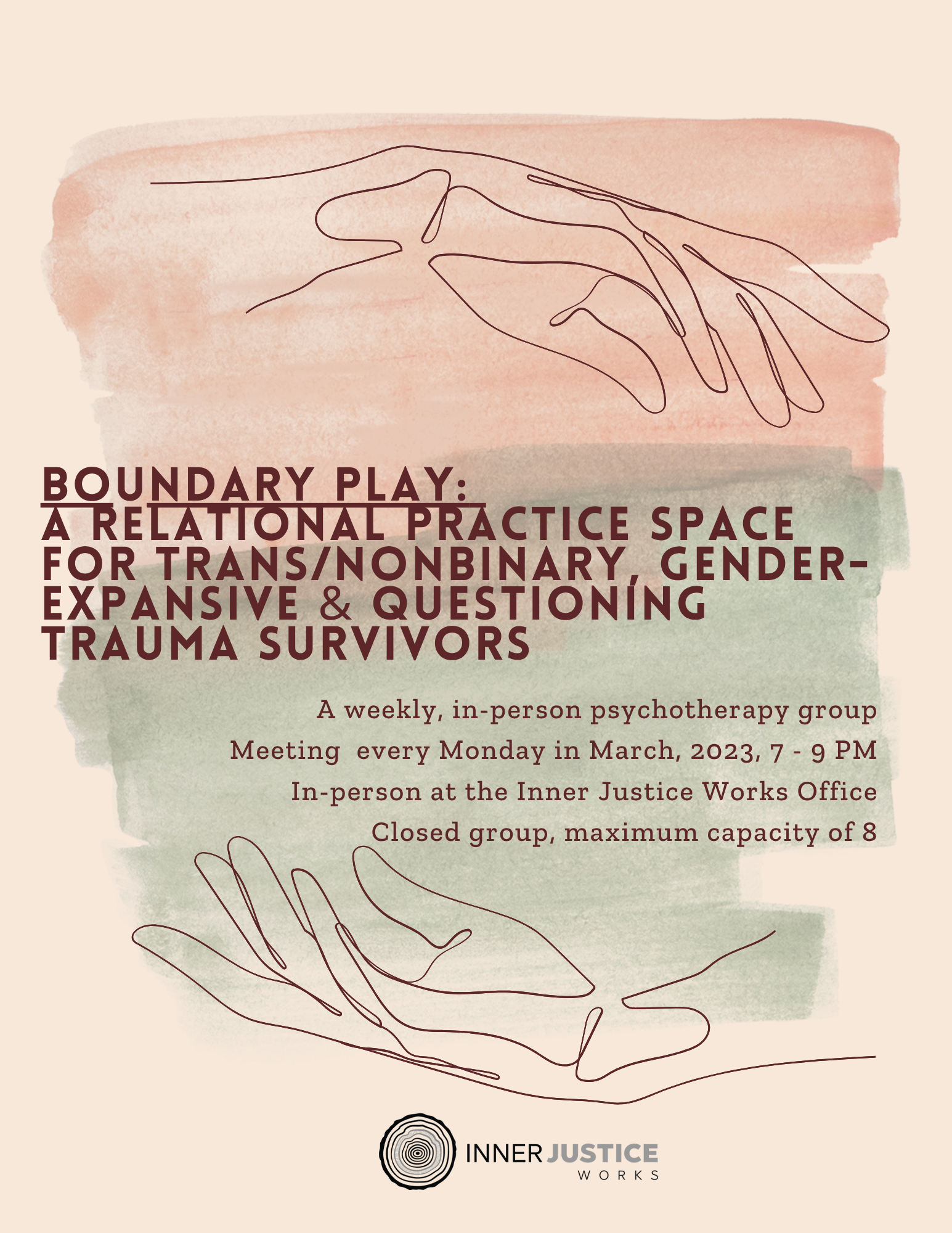
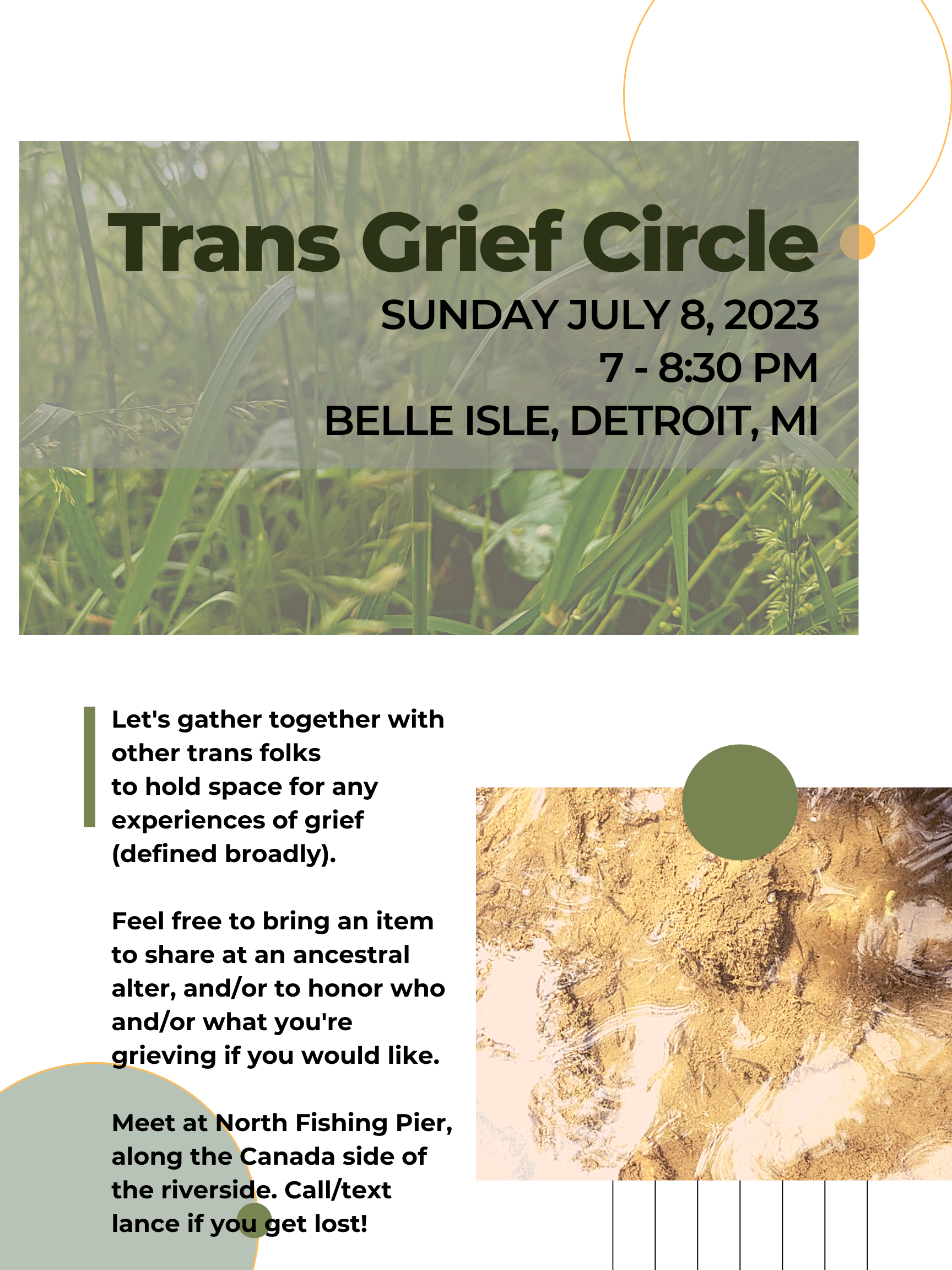
As our capacity allows, we like to provide short-term therapy groups that address the needs and interests of our current clients. We offer these groups whenever it seems that a number of folks would benefit from a shared space around specific needs, experiences, clinical areas of focus, or therapeutic practices. Groups may be run by any therapist working with clients at our practice, and are generally free to attend. When we have openings, we sometimes allow folks on our waitlist or from partnering practices the opportunity to join us for groups. Some past groups our practice has offered included…


 Inner Justice Works